
Browse By Tv Channels
BollyZone: Hindi TV shows and web series in English, from Sarabhai vs Sarabhai, Khichdi and Dekh Bhai Dekh to Malgudi Days, Hum Paanch, Little Things and Permanent Roommates, and where to watch them
194 Hindi television shows and web series from 1984 to 2026: Doordarshan classics, great sitcoms, family comedies, campus stories, children's fantasy and wholesome web series.
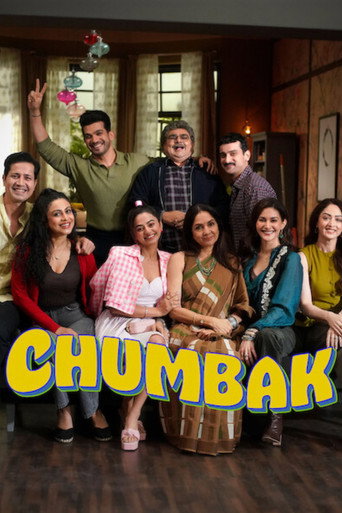 Chumbak (2026)16 episodes
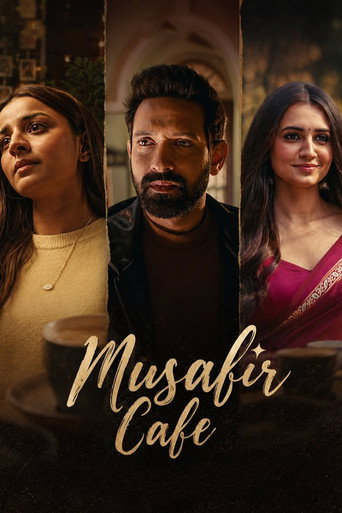 Musafir Cafe (2026)8 episodes
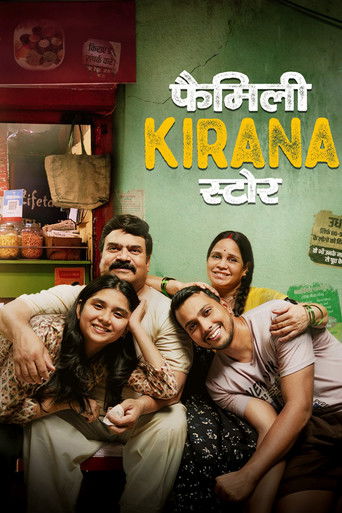 Family Kirana Store (2026)10 episodes
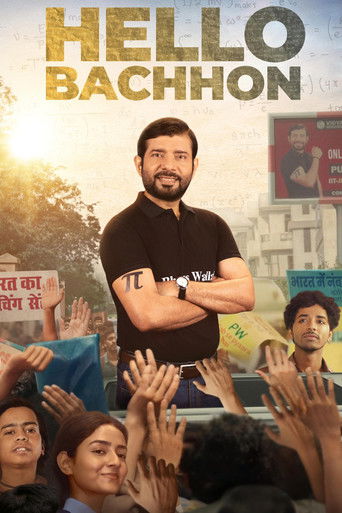 Hello Bachhon (2026)5 episodes
 The Pyramid Scheme (2026)7 episodes
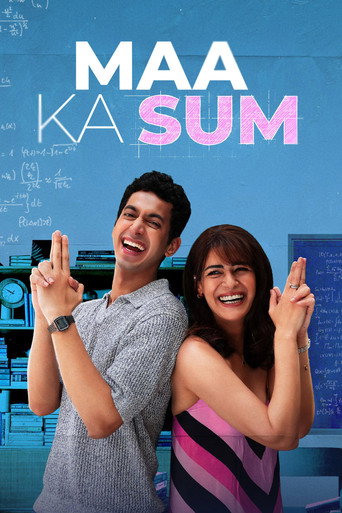 Maa Ka Sum (2026)8 episodes
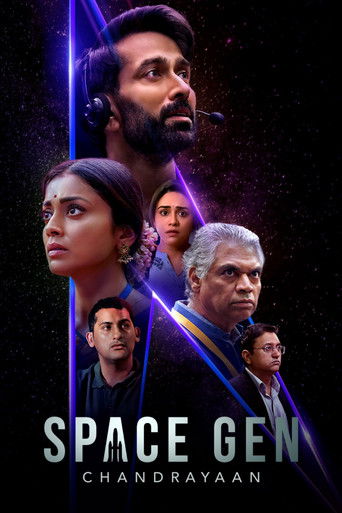 Space Gen: Chandrayaan (2026)5 episodes
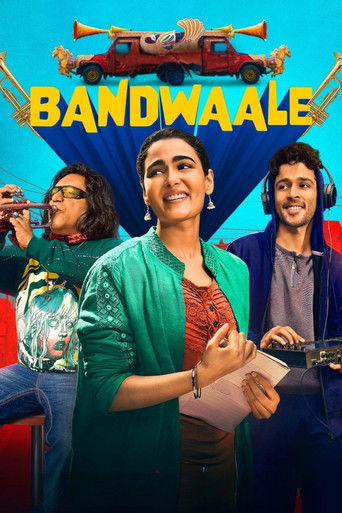 Bandwaale (2026)8 episodes
 Shabad - Reet aur Riwaaz (2026)6 episodes
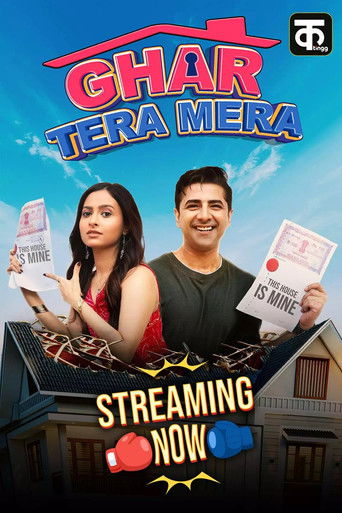 Ghar Tera Mera (2026)7 episodes
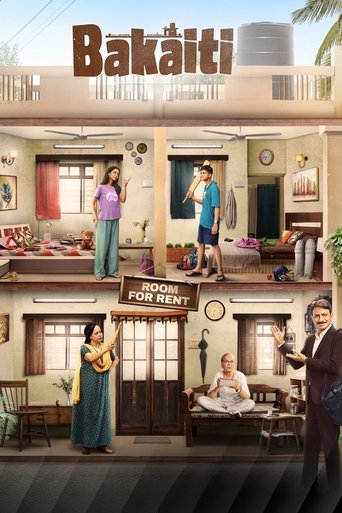 Bakaiti (2025)14 episodes
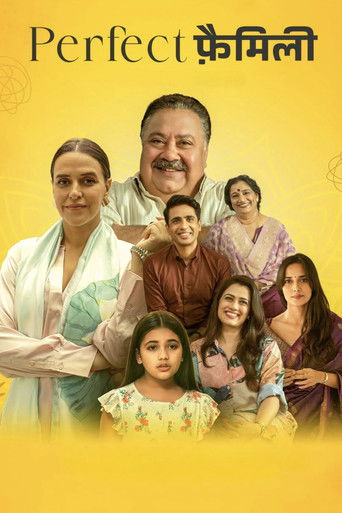 Perfect Family (2025)8 episodes
 Perfect Parents (2025)6 episodes
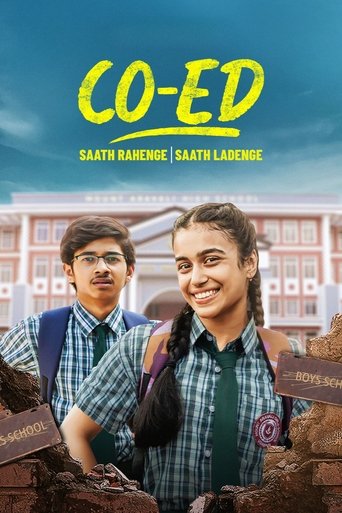 CO-ED (2025)6 episodes
 Real Kashmir Football Club (2025)8 episodes
 Mitti – Ek Nayi Pehchaan (2025)8 episodes
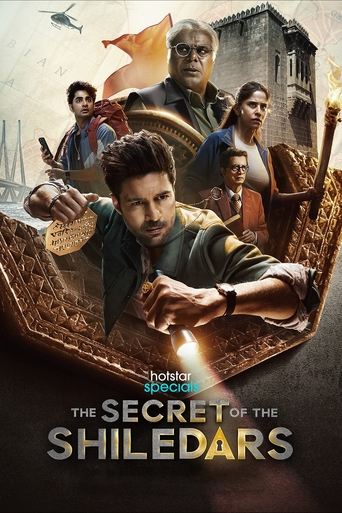 The Secret Of The Shiledars (2025)6 episodes
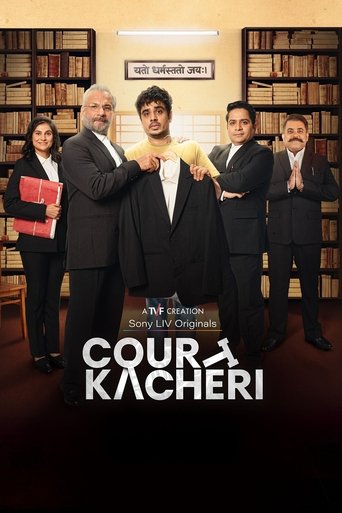 Court Kacheri (2025)5 episodes
 Sherdil Shergill (2022)95 episodes
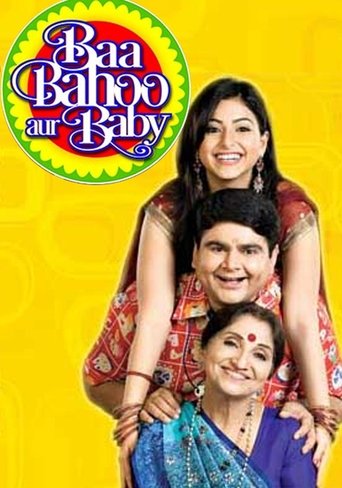 Baa Bahoo Aur Baby (2005)558 episodes
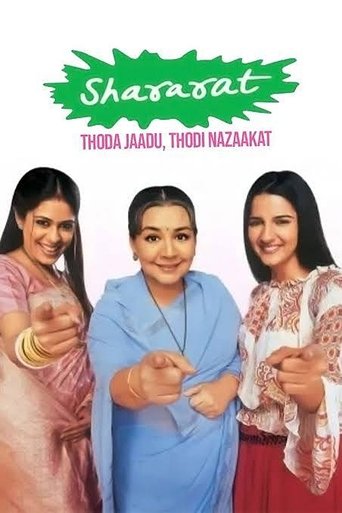 Shararat - Thoda Jaadu, Thodi Nazaakat (2003)192 episodes
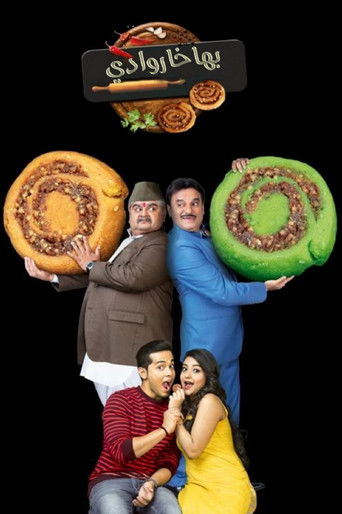 Bhakharwadi (2019)362 episodes
 Badi Doooor Se Aaye Hai (2014)636 episodes
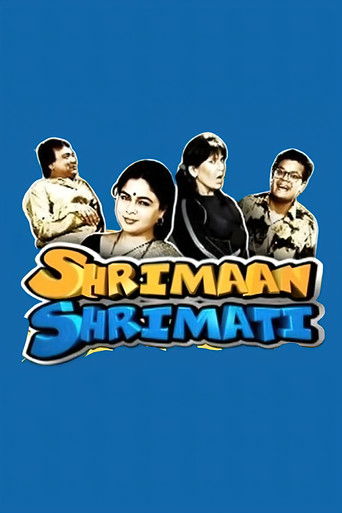 Shrimaan Shrimati (1994)144 episodes
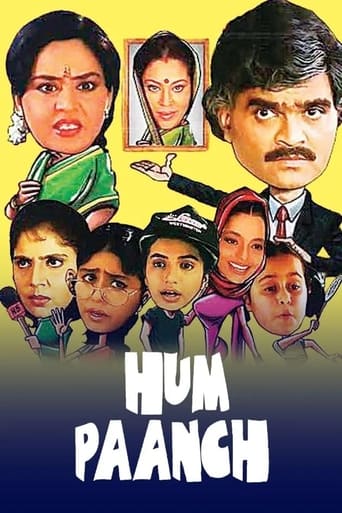 Hum Paanch (1995)311 episodes
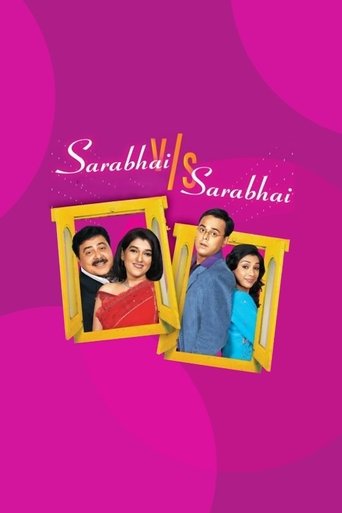 Sarabhai vs Sarabhai (2004)80 episodes
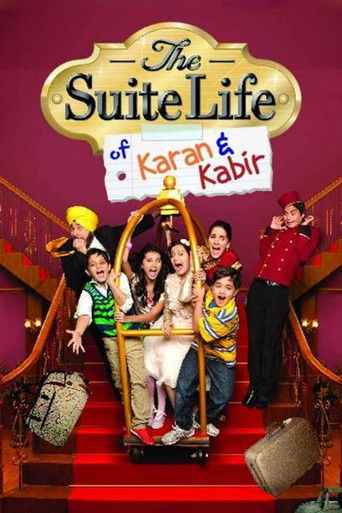 The Suite Life of Karan & Kabir (2012)52 episodes
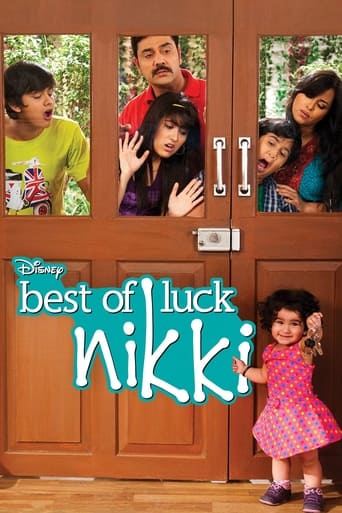 Best of Luck Nikki (2011)103 episodes
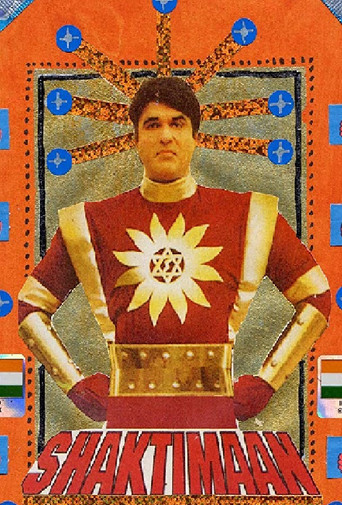 Shaktimaan (1997)169 episodes
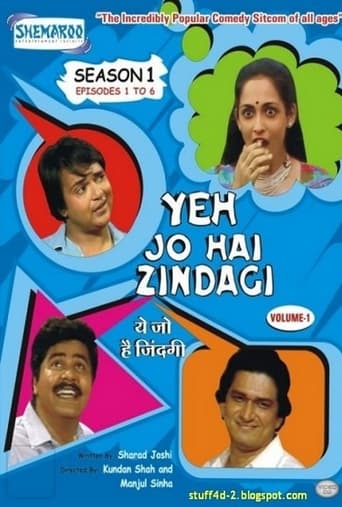 Such is Life (1984)67 episodes
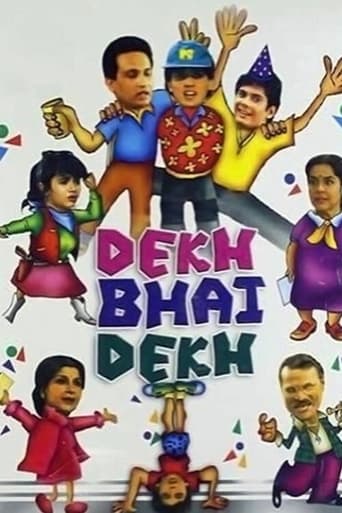 Dekh Bhai Dekh (1993)66 episodes
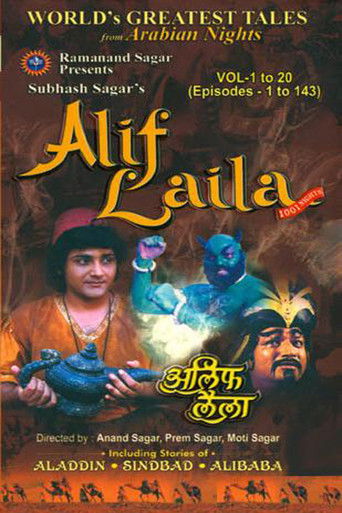 Alif Laila (1993)143 episodes
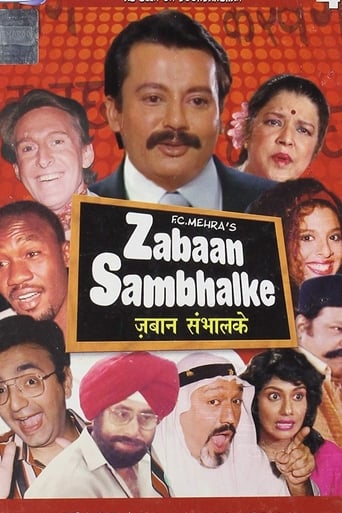 Watch Your Tongue (1993)50 episodes
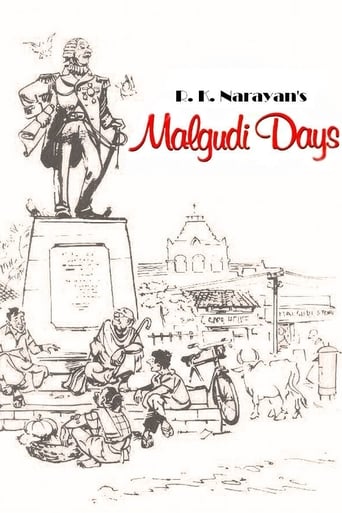 Malgudi Days (1987)54 episodes
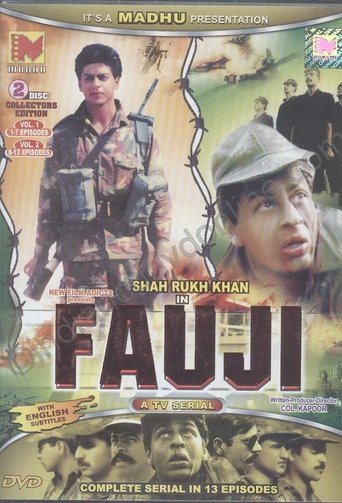 Fauji (1989)13 episodes
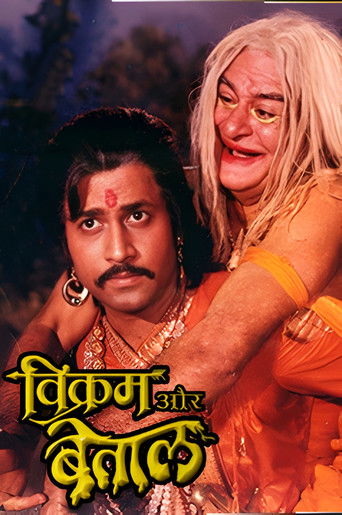 Vikram Aur Betaal (1985)26 episodes
 Flop Show (1989)10 episodes
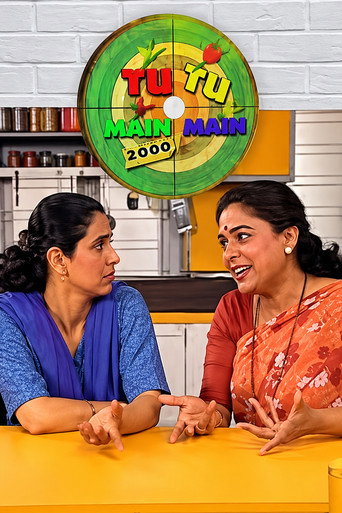 Tu Tu Main Main (1994)46 episodes
 Son Pari (2000)268 episodes
 School Friends (2023)57 episodes
 Girls Hostel (2018)15 episodes
 Kya Mast Hai Life (2009)130 episodes
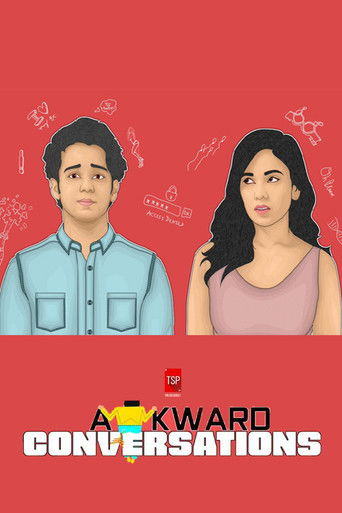 Awkward Conversations (2018)11 episodes
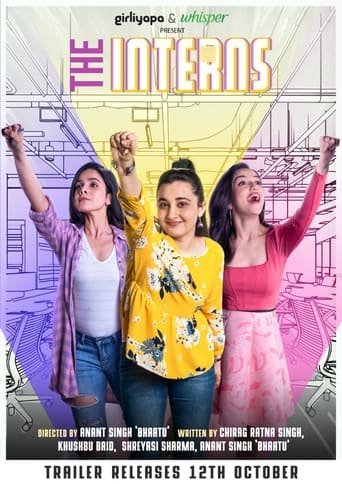 The Interns (2020)10 episodes
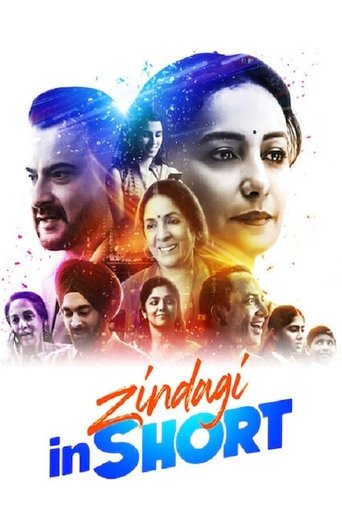 Zindagi in Short (2020)7 episodes
 Baarish (2019)40 episodes
 Gutar Gu (2023)18 episodes
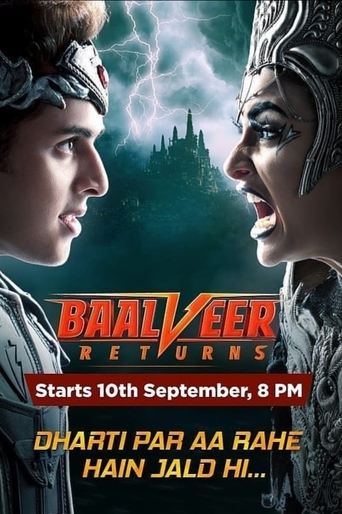 Baalveer (2019)346 episodes
 Hatim (2003)48 episodes
 Coldd Lassi Aur Chicken Masala (2019)12 episodes
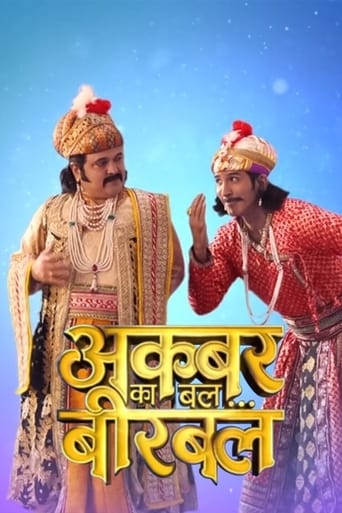 Akbar Ka Bal... Birbal (2020)55 episodes
 Rishta.com (2010)26 episodes
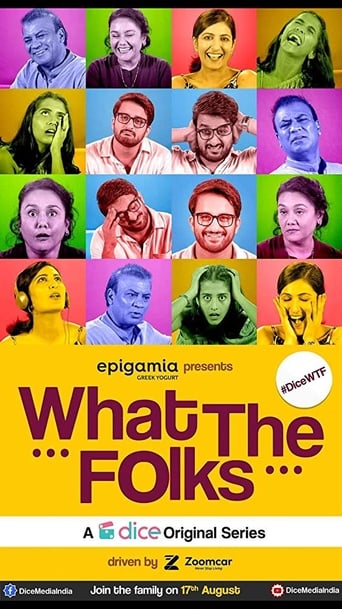 What the Folks (2017)22 episodes
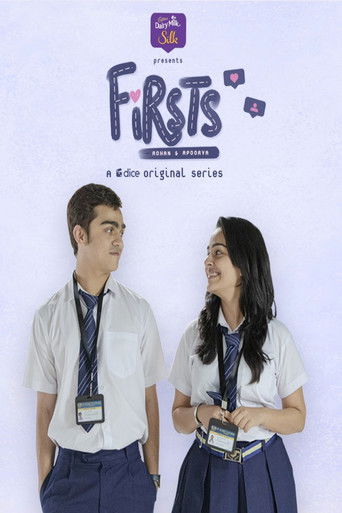 Firsts (2020)32 episodes
 Little Things (2016)29 episodes
 Mr. & Mrs. (2018)14 episodes
 Arranged Couple (2023)11 episodes
Hindi television in English: the BollyZone guide
BollyZone: Hindi TV shows and web series in English, from Sarabhai vs Sarabhai, Khichdi and Dekh Bhai Dekh to Malgudi Days, Hum Paanch, Little Things and Permanent Roommates
Hindi television has been part of Indian family life for more than forty years. In the 1980s, the whole country gathered around a single channel, Doordarshan, to watch a weekly comedy or an adaptation of a much-loved book; in the 1990s and 2000s, the satellite channels brought a golden age of sitcoms; and in the last ten years, web series made for YouTube and the streaming services have told fresh, honest stories about young people, families and small towns. BollyZone is an English guide to the best of that tradition: 194 Hindi television shows and web series, made between 1984 and 2026, each with its own page, its story in English, its year, its seasons and episodes, and a Watch now button that leads to the official services carrying it in your country.
The catalogue has been chosen by hand, and it has a clear point of view. It gathers the shows that tell complete, well-written stories: the Doordarshan classics, the great sitcoms, family comedies, stories of college and coaching, children's fantasy, and the warm, wholesome web series that families can watch together. The long daily soaps, the reality contests and the adult web series belong to other guides, so every title here is one worth an evening of your time.
The sections below are a relaxed tour: how the site is laid out, the Doordarshan years, the great sitcoms, the children's shows, the rise of the web series, family stories, campus and coaching, work and dreams, modern love and a few plans for a first week. Each section links to a short help page, and the How to watch page sums up the simple steps from a title page to the official service.
How BollyZone looks
BollyZone keeps the dark, cinema-like look of the site it is named after. A black header runs across the top with the logo, a small gold television with a play button, the word Bolly in white and Zone in gold, and a row of bold white links: Home, Latest, Tv Channels, Sitcoms, Classics and the A to Z list, with a round gold My List button at the end. On a phone, the links fold into a menu behind a gold three-line button.
The page itself is a deep charcoal. It opens with a centred heading, Browse By Tv Channels, over a row of small gold badges, one for each channel shelf: Doordarshan and classics, TV channels, YouTube and TVF, streaming originals and the rest. Below it, a dark panel holds the main heading and a line about the catalogue. Then come the rows of shows, starting with Latest Episode Updates, each with its heading on the left, a small gold View more pill beside it and a Sorted by label on the right, just as on the original site. The posters stand six across on a large screen, each with a thin grey border and the title and year in bold white letters over a dark fade at the bottom, with the number of episodes in gold beneath.
On the right, a sidebar of dark rounded panels holds a Search box with a gold button, the Browse list of shelves with the number of titles in each, the TV Serials list in alphabetical order and the list of help pages. This guide sits in its own panel under the rows of posters, and a black footer closes the page. The colours, from the charcoal page to the gold accents, and the layout of header, channel strip, poster rows and sidebar are drawn from a careful study of the original site. The posters, stories and credits are new, and every part of the page works with a keyboard, a screen reader and a small phone screen.
The Doordarshan years
Until the early 1990s, India had one television broadcaster, Doordarshan, and its best programmes became shared national memories. Streets emptied when a favourite show was on, neighbours crowded into the one house that owned a set, and the characters became as familiar as relatives. The Doordarshan and classics shelf gathers the shows of that era, and the Doordarshan classics help page offers a short tour.
Such is Life, known in Hindi as Yeh Jo Hai Zindagi, began in 1984 and is remembered as the first great Indian sitcom. Each week it found comedy in the small troubles of a middle-class couple and their friends, and its success showed that Indian audiences loved to laugh at themselves. Flop Show, from 1989, was written by and starred the satirist Jaspal Bhatti, who poked gentle fun at the frustrations of everyday life, from telephone connections to housing societies, in just ten episodes that are still quoted today.
Malgudi Days, from 1987, is one of the treasures of Indian television. Directed by Shankar Nag and based on the stories of R. K. Narayan, it is set in the imaginary South Indian town of Malgudi, and its tales of schoolboys, postmen, shopkeepers and dreamers are told with humour and affection. Its theme tune is instantly recognised by a whole generation. Fauji, from 1989, follows a group of young recruits through their army training, and it is famous as the series that introduced Shah Rukh Khan to audiences.
For children, Doordarshan offered fantasy on Sunday mornings. Vikram Aur Betaal, from 1985, retells the ancient tales in which a wise king carries a storytelling spirit on his shoulders and must answer a riddle at the end of every story. Alif Laila, from 1993, brings the stories of the Arabian Nights to the screen, with Sindbad, Aladdin and Ali Baba, and Shaktimaan, from 1997, gave India its own superhero, a hero in red and gold who taught children good habits at the end of each episode. Watch Your Tongue, known as Zabaan Sambhalke, is a classroom comedy about a teacher of Hindi and his cheerful class of students from many countries.
The great sitcoms
The Hindi sitcom is one of the joys of Indian television, and the Sitcoms and comedy shelf holds 123 titles. The The great sitcoms help page picks out the best.
The 1990s brought the first wave of satellite-era comedies. Dekh Bhai Dekh, from 1993, follows three generations of the Diwan family living together in a big Mumbai bungalow, with Shekhar Suman at the head of a wonderful cast, and it remains one of the most loved comedies in Indian television. Shrimaan Shrimati, from 1994, is a comedy of neighbours in which two husbands each admire the other's wife, with hilarious and entirely innocent results, and Tu Tu Main Main turns the famous rivalry between a mother-in-law and a daughter-in-law into affectionate comedy. Hum Paanch, from 1995, follows a harassed father and his five very different daughters, and it made stars of several young actors.
The 2000s were a golden age. Office Office, from 2001, stars Pankaj Kapur as Mussaddilal, an ordinary citizen who tries to get simple things done in government offices and meets a cast of gloriously unhelpful clerks; it is a sharp and funny satire that every Indian recognises. Khichdi, from 2002, follows the Parekh family, whose members misunderstand everything and everyone, and its catchphrases became part of everyday speech. Sarabhai vs Sarabhai, from 2004, is often named as the finest Hindi sitcom of all: the elegant Maya Sarabhai, her mischievous husband Indravadan, their son Sahil, his cheerful middle-class wife Monisha and the poetry-writing younger son Rosesh form a comic family that audiences adore. The Sarabhai and Khichdi help page has more.
From the same makers came Baa Bahoo Aur Baby, a warm comedy-drama about a large Gujarati joint family in Mumbai led by a formidable grandmother, and, many years later, Happy Family, Conditions Apply, about four generations under one roof. Jassi Jaissi Koi Nahin, from 2003, follows a kind, clever young woman who joins a fashion house and wins everyone over with her honesty.
Newer sitcoms keep the tradition alive. Bhakharwadi follows two neighbouring families in Pune, one Marathi and one Gujarati, who run rival snack shops; Badi Doooor Se Aaye Hai follows a family of friendly aliens trying to live like ordinary people in a housing society; and Sumit Sambhal Lega follows a husband caught between his wife and his loving, interfering parents. Chintu Chinki Aur Ek Badi Si Love Story, Belan Wali Bahu, Beechwale Bapu Dekh Raha Hai and Shrimaan Shrimati Phir Se are light comedies from the family channels, and Akbar Birbal and Akbar Ka Bal... Birbal retell the famous folk tales of the emperor and his witty minister.
Children and fantasy
Indian children grew up with their own heroes and fairies, and the Children and fantasy shelf gathers 18 shows for young viewers. The Children and fantasy help page offers a selection.
Shaktimaan is the best known: Mukesh Khanna plays both the mighty hero and his clumsy alter ego, a newspaper photographer, and the series ran for many years on Doordarshan. Baalveer, from 2012, follows a young boy blessed by the fairies who protects children from harm, and it became one of the longest-running children's shows on Indian television. Son Pari follows a girl named Fruity and her fairy friend, Shararat - Thoda Jaadu, Thodi Nazaakat follows three generations of women with magical powers that always seem to cause trouble, and Hatim is a grand fantasy adventure about a prince who must answer seven questions to save his kingdom.
Disney Channel India made two much-loved family sitcoms: Best of Luck Nikki, about a family that records a video diary for its youngest member, and The Suite Life of Karan & Kabir, about twin brothers living in a hotel. Kya Mast Hai Life follows five friends and their comical daily lives, Maan Na Maan Main Tera Mehmaan follows a family with an unexpected guest, and Udann Sapnon Ki follows village children with big dreams. Malgudi Days, with its schoolboy hero Swami, belongs on every child's list.
The rise of the web series
Around 2014, a new kind of Hindi storytelling appeared on YouTube. Small teams of young writers and actors began to make short series about the lives they knew: flat-sharing in the big city, long-distance love, hostels, coaching classes and the gentle comedy of middle-class families. They were short, honest and funny, and they found millions of viewers. The YouTube and TVF shelf gathers 40 of these series, and the YouTube and TVF help page tells the story.
Permanent Roommates, first shown in 2014, was one of the pioneers. It follows Tanya and Mikesh, a couple who have spent three years in a long-distance relationship and must decide what comes next when he returns to India, and its warmth and wit won it a devoted audience. Little Things, from 2016, follows Dhruv and Kavya, a young couple sharing a flat in Mumbai, through the small moments that make up a life together: late-night snacks, tired evenings, little arguments and quiet affection. It began on YouTube and later moved to a streaming service, where it ran for four seasons.
What the Folks is a comedy about the modern family, in which a young man goes to stay with his wife's parents and both sides must learn to understand each other. The Aam Aadmi Family follows the Sharmas, a middle-class family, through the everyday comedy of home life, and Girls Hostel follows four students with very different personalities in the hostel of a dental college. TVF Inmates and Girl in the City are about young people finding their feet in the big city.
The streaming services soon followed with series of their own, and the Streaming originals shelf holds 120 titles. The Wholesome web series help page picks out the gentlest. Home Shanti follows the Joshi family as they try to build their first house in Dehradun, Ghar Waapsi follows a young man who loses his job and returns to his family in Indore, and Home follows the Sethis, a family fighting to keep the building they have lived in for decades. Gutar Gu is a sweet story of first love between two teenagers in Bhopal, Half Pants Full Pants is a nostalgic tale of a small-town childhood, and Taj Mahal 1989 follows several couples of different ages in Lucknow in the year of its title.
Family stories
The family is the favourite subject of Hindi television, and the Family shelf holds 86 titles. The Family viewing help page offers a selection.
The new family series are warm and closely observed. Bakaiti follows the Kataria family of old Ghaziabad through a financial squeeze, Family Kirana Store follows a small-town father and the grocery shop attached to his home, and Very Parivarik follows a modern couple learning to live with their parents. Perfect Family follows a Punjabi family that begins therapy together, Potluck follows the Shastris, who are persuaded to meet for a meal every week, and Thode Door Thode Paas follows a retired naval officer with an unusual plan to bring his family closer.
Grandmothers are often the heroes. Saas Bahu Achaar Pvt. Ltd. follows a woman who starts a pickle business with her mother-in-law's support, The Pickle Factory follows a young MBA graduate who joins her grandmother's pickle business in Dehradun, and Dadi Amma.. Dadi Amma Maan Jaao! follows two sisters raised by their grandparents. Anandibaa Aur Emily follows a traditional matriarch and her daughter-in-law from abroad, and Mom @ Work follows a mother returning to her career. Salt City, Mitti – Ek Nayi Pehchaan and Kaun Banegi Shikharwati, in which a former king invites his four daughters home, are stories of families finding their way back to one another.
Campus and coaching
Few subjects are closer to the hearts of young Indians than the years of study, and Hindi web series have told their stories with great affection. The Campus and coaching shelf holds 47 titles, and the Campus and coaching help page lists the favourites.
College comedies come first. Girls Hostel and Engineering Girls follow groups of young women through hostel life, Operation MBBS and Medically Yourrs follow first-year medical students, and UP65, based on a popular Hindi novel, follows engineering students in Varanasi. Dehati Ladke follows a village boy who moves to the big city to study, Aukaat Ke Bahar follows a small-town boxer at an elite Delhi college, and CO-ED follows twins whose separate schools suddenly merge.
The coaching series are a genre of their own. Physics Wallah tells the inspiring story of a young teacher who set out to make good teaching affordable for every student, and Hello Bachhon returns to the same theme. Crash Course is set among the rival coaching institutes of Kota, Half CA follows two chartered accountancy students at different stages of the long course, and Sandeep Bhaiya follows a determined aspirant preparing for the civil service examination. Laakhon Mein Ek follows a fifteen-year-old who wants to make funny videos but is sent to a coaching institute instead. School stories include School Friends, Sisterhood, Amber Girls School and Dil Dosti Dilemma.
Work and dreams
Many recent series are about ambition: starting a business, winning a match or building a career. The Work and dreams shelf holds 42 titles, and the Work and dreams help page offers a tour.
Sport is a favourite theme. Sixer follows a ragtag team of neighbourhood cricketers, Slum Golf follows a boy from the Mumbai slums who becomes a golfer, and Real Kashmir Football Club is inspired by the true story of a football club founded in Srinagar. Clutch and Gamerlog are about young esports players, and The Test Case follows the only woman in a group of army officers training for the special forces.
Science and work have their own stories. Mission Over Mars is based on India's mission to Mars and the women scientists who led it, and Space Gen: Chandrayaan follows the engineers of the Moon mission. Thinkistan is set in a Mumbai advertising agency in the 1990s, The Interns follows three young interns, Call My Agent Bollywood follows a team of film agents, and Masaba Masaba is inspired by the life of the fashion designer Masaba Gupta. Hustlers, Do You Wanna Partner and The Pyramid Scheme are about start-ups and schemes, and Taali tells the story of the activist Gauri Sawant.
Modern love
Hindi web series have also given audiences a new kind of love story: gentle, realistic and often funny. The Modern love help page gathers the best.
Little Things and Permanent Roommates set the pattern, and many have followed. Half Love Half Arranged follows two thirty-year-olds who meet through their families, Coldd Lassi Aur Chicken Masala reunites two chefs who were once in love, and Baarish brings together two strangers from very different backgrounds. Please Find Attached follows two colleagues who become flatmates, Minus One follows a couple who have parted but still share a flat, and Musafir Cafe is a story of love and memory set partly in the hills. Mahi Way, from 2010, follows a young writer at a fashion magazine, and Sherdil Shergill pairs a carefree young man with a determined architect.
The channels
BollyZone arranges its shows by the channel or service that first presented them, as the original site did. The The channels help page explains the shelves. The TV channels shelf holds shows from Star Plus, SAB TV, Colors, Zee TV and Disney Channel India; SAB TV in particular has been the home of family comedy for twenty years. The YouTube and TVF shelf holds the series that began online, and the Streaming originals shelf holds series from ZEE5, SonyLIV, Hotstar, Netflix, Prime Video and others. The TV Serials Index lists every show in one place.
Through the decades
BollyZone covers more than forty years of television, and the decade shelves show how it has changed. The Through the decades help page offers a quick tour. The Before 2010 shelf gathers the Doordarshan years and the sitcom era, from Such is Life and Malgudi Days to Hum Paanch, Khichdi and Sarabhai vs Sarabhai. The 2010s shelf holds the decade when the web series was born, with Permanent Roommates, Little Things, What the Folks and Girls Hostel, alongside television favourites such as Baalveer and Bhakharwadi. The 2020 onward shelf holds the streaming years, from Home Shanti and Gutar Gu to Bakaiti and the newest series of 2026. The Top rated shelf collects the shows that viewers rate most highly.
The gentle art of satire
Hindi television has a proud tradition of laughing at the frustrations of daily life, and especially at offices and officials. Flop Show set the tone in 1989, with Jaspal Bhatti's hapless hero tangled in red tape, and Office Office perfected it in the 2000s: in every episode, the patient Mussaddilal visits a different office, a pension department, a school, a hospital, and meets the same group of clerks in new disguises, each with a fresh excuse.
The tradition continues online. The Sarkari Karyalay finds comedy in the routines of a government office, Chacha Vidhayak Hain Humare follows a young man in Indore who pretends to be the nephew of a local politician, and Court Kacheri is set in a crowded district court where a reluctant young lawyer learns his trade. Goldie Ahuja Matric Pass follows a successful businessman who must go back to school to finish his education. These shows laugh with their characters as much as at them, and they leave viewers smiling at troubles everyone has known.
Women at the centre
Many of the best recent series put women at the centre of the story. Udan Patolas follows four friends from a small town making their way in the big city, Girl in the City follows a young woman who comes to Mumbai to work in fashion, and Bandwaale follows a young poet who dreams of a life beyond her sleepy town. Call Me Bae follows a pampered heiress who must suddenly earn her own living and discovers that she is good at it, and Masaba Masaba stars the designer Masaba Gupta as a version of herself.
Older heroines have their stories too: the grandmothers of The Pickle Factory and Saas Bahu Achaar Pvt. Ltd., the returning professional of Mom @ Work and the resourceful magician of The Magic of Shiri. The Test Case follows an army officer proving herself in the toughest training course in the country, Mission Over Mars celebrates the women scientists of the space programme, and Taali tells the life of a remarkable activist. Long before them, the heroines of Hum Paanch and Jassi Jaissi Koi Nahin showed that a comedy could be led by women, and audiences have loved them ever since.
Doctors in training
Hospitals and medical colleges make a lively setting for stories of friendship and hard work. Operation MBBS follows three first-year students with very different reasons for studying medicine, Medically Yourrs is a comedy of college life, and Heartbeats: Pyaar aur Armaan follows a young man who dreams of becoming a neurosurgeon. Doctors is set in a busy Mumbai hospital where a young surgeon begins her residency, and Who's Your Gynac follows a cheerful young doctor who answers her friends' questions with patience and humour. These series show the long hours and the high hopes of young doctors, and they are popular with students who are preparing for the same journey.
Food, shops and family businesses
Indian families love their food, and several series are built around kitchens and small businesses. Two different shows follow women who start pickle businesses, Saas Bahu Achaar Pvt. Ltd. and The Pickle Factory, and both are warm stories about courage and second chances. Bhakharwadi is named after a crisp Maharashtrian snack sold by one of its two feuding families, Family Kirana Store follows a father devoted to his small grocery shop, and Coldd Lassi Aur Chicken Masala is set in the kitchens of rival restaurants. Potluck gathers a family around a shared meal every week. In all of them, food is a way of showing love, and the kitchen is where the family comes together.
Time machines and friendly aliens
Hindi comedy sometimes takes a turn into fantasy. Badi Doooor Se Aaye Hai follows a family of aliens who try to pass as ordinary residents of a Mumbai housing society, Maharaj Ki Jai Ho sends a small-time rogue back to the age of the Mahabharata in a time machine, and Star Boyz follows three young men from South India exploring the far corners of space. Shararat - Thoda Jaadu, Thodi Nazaakat fills a family home with spells that always go slightly wrong. These shows are silly in the best way, and children and grown-ups enjoy them together.
Anthologies offer variety of another kind. Zindagi in Short tells seven short stories of everyday life, and Unpaused: Naya Safar gathers five tales of hope and second chances from five different directors. Each episode is a complete story, so they are ideal for an evening when there is time for just one.
Teachers and mentors
Good teachers are heroes in many Hindi series. Physics Wallah and Hello Bachhon both tell the story of a young physics teacher who decides that every student, rich or poor, deserves a good lesson, and who uses the internet to reach them. Sandeep Bhaiya follows a determined student who becomes a guide to the younger aspirants around him, and SK Sir Ki Class returns to the same world with a teacher who believes in patience and perseverance. Half CA shows two students helping each other through the longest of courses, and Maa Ka Sum follows a young mathematics prodigy who believes that every problem has a formula.
The classics have their teachers too: the kind, exasperated Hindi master of Watch Your Tongue, and the schoolroom of Malgudi Days, where young Swami would rather be anywhere else. These stories are popular with students, who see their own lives in them, and with parents, who remember the teachers who changed theirs.
Friends and flatmates
Friendship is the other great subject of the web series. TVF Inmates follows five flatmates, Jugaadistan follows students in Delhi, and Dehati Ladke follows a village boy and the friends he makes in the city. Udan Patolas, Sisterhood and School Friends are about groups of girls who look after one another, Sixer is about a cricket team that becomes a family, and Dhindora, made by a popular YouTube creator who plays most of the roles himself, follows a young man and his eccentric family and friends.
These series are especially loved by young viewers who have left home to study or work, because they show the small kindnesses of flat-sharing and hostel life: shared meals, borrowed notes, late-night talks and friends who become a second family. They are also a comfort to parents, who see that their children are in good company.
How the shows were chosen
Every title on BollyZone was picked by hand, with a few simple questions in mind. Does the show tell a complete story in a limited number of episodes? Can a family watch it together? Is it well written and well acted? Is it a show that people remember with affection? The classics answer these questions easily, and so do the best of the new series.
The result is a catalogue that is smaller than the endless list of a television schedule, but richer. It leaves the daily serials to the channels that broadcast them every evening, and it concentrates on the comedies, the classics and the short series that reward a second viewing. If a favourite of yours is missing, it may simply be waiting its turn: the shelves grow steadily, and the newest series of each year are added as they prove their worth.
Title songs to remember
Ask anyone who grew up with Indian television to hum a title song and the room will fill with music. The wordless tune of Malgudi Days, the cheerful opening of Dekh Bhai Dekh, the chorus of Hum Paanch and the heroic theme of Shaktimaan are part of the shared memory of a generation, and hearing them again is half the pleasure of revisiting the shows. The sitcoms of the 2000s had their own signatures, from the playful song of Khichdi to the elegant melody of Sarabhai vs Sarabhai.
The web series brought a new sound: gentle guitar songs and independent music that suit their quiet stories. The soundtracks of Little Things and Gutar Gu are favourites with young listeners, and many series have introduced new singers and bands to a wide audience. Music is one more reason these shows stay in the heart, and one more way for parents and children to share them.
Writers, makers and stars
Great television comedy depends on great writers and performers, and Hindi television has been lucky in both. Kundan Shah, who directed the film Jaane Bhi Do Yaaro, was one of the directors of Such is Life, and its cast, led by Shafi Inamdar, Swaroop Sampat and Satish Shah, became household names. Jaspal Bhatti wrote, directed and starred in Flop Show, and Shankar Nag, the director of Malgudi Days, filmed R. K. Narayan's stories in a real village in Karnataka with a care that still shows in every frame.
The sitcoms of the 2000s owe a great deal to one team. The writer Aatish Kapadia and the producer and actor J. D. Majethia, with their company Hats Off Productions, made Khichdi, Sarabhai vs Sarabhai and Baa Bahoo Aur Baby, and their comedy, built on precise writing and brilliant ensemble acting, set a standard that later shows still try to reach. Ratna Pathak Shah as Maya Sarabhai, Satish Shah as Indravadan, Rupali Ganguly as Monisha, Sumeet Raghavan as Sahil and Rajesh Kumar as Rosesh formed one of the finest comic casts in Indian television, and Supriya Pathak's Hansa in Khichdi is one of its most loved characters.
Pankaj Kapur, one of India's most respected actors, brought warmth and exasperation to Office Office and to Watch Your Tongue, and Shekhar Suman led the cast of Dekh Bhai Dekh. Mukesh Khanna became a hero to millions of children as Shaktimaan. The web series created their own stars: Sumeet Vyas and Nidhi Singh of Permanent Roommates, and Mithila Palkar and Dhruv Sehgal of Little Things, which Dhruv Sehgal also wrote. Many actors who are now famous in films took their first steps in these shows.
Stories borrowed and made new
Television travels well, and several shows on BollyZone are Indian versions of stories first told elsewhere, remade with local characters, local humour and a great deal of affection.
Jassi Jaissi Koi Nahin is the Indian version of the Colombian series about a plain, brilliant young woman at a fashion company, a story that has been retold in dozens of countries. Sumit Sambhal Lega adapts the American comedy Everybody Loves Raymond to a Delhi family, with parents who live just across the lane. Best of Luck Nikki and The Suite Life of Karan & Kabir are Indian versions of popular Disney Channel comedies, and Watch Your Tongue takes its idea from a British comedy about a language class. Call My Agent Bollywood moves a French series about film agents to Mumbai, with real stars appearing as themselves.
Books have inspired others. Malgudi Days comes from the stories of R. K. Narayan, UP65 and Musafir Cafe from popular Hindi novels, and Vikram Aur Betaal and Alif Laila from story collections that are many centuries old. In each case, the pleasure lies in seeing a familiar tale told in a new voice.
Small towns on screen
One of the freshest things about the new Hindi series is where they are set. For decades, television stories took place in Mumbai or Delhi; today, many of the best are set in the smaller cities and towns where most Indians live, and they are filmed there too.
Gutar Gu is set in Bhopal, Home Shanti and The Pickle Factory in Dehradun, Ghar Waapsi in Indore, UP65 in Varanasi, Taj Mahal 1989 in Lucknow, Bakaiti in old Ghaziabad and Crash Course in Kota, the city of coaching classes. Mitti – Ek Nayi Pehchaan follows a young man who returns to his ancestral village, and Court Kacheri is set in a busy district court in rural India. These series capture the lanes, the food, the accents and the humour of each place, and viewers from those towns enjoy the pleasure of seeing home on screen. For viewers elsewhere, they are a delightful tour of India beyond the big cities.
A taste of nostalgia
Many series look back fondly at the India of a generation ago. Half Pants Full Pants is set in a small town in the days before the internet and mobile phones, when a boy's adventures depended on his imagination. Taj Mahal 1989 recalls university life in the late 1980s, Thinkistan the advertising world of the 1990s, and The Magic of Shiri follows a woman in Delhi in 1996 who becomes a magician to support her family. Watching them alongside the real shows of those years, such as Dekh Bhai Dekh and Hum Paanch, is a lovely way for parents to share their own childhood with their children.
Why short series work
The shows on BollyZone have one thing in common: they tell their stories in a limited number of episodes. A classic sitcom such as Sarabhai vs Sarabhai ran for about seventy episodes in its first season, Malgudi Days for fifty-four, and most web series for five to ten episodes a season. This gives the writers time to plan, the actors time to rehearse and the audience the pleasure of a story with a beginning, a middle and an end.
It also makes them easy to share. A family can watch a whole season of Home Shanti in a weekend, or one episode of Khichdi after dinner each evening, and everyone can join in at any point. Many of the classics are built from self-contained episodes, so each one stands happily on its own, and the web series are short enough to finish before anyone loses interest. That is why these shows are watched again and again, long after they were first broadcast.
A perfect first week
If you are new to Hindi television, here is a simple plan for a first week. On Monday, meet the Sarabhais in Sarabhai vs Sarabhai. On Tuesday, travel to the little town of Malgudi Days. On Wednesday, laugh with the Parekhs in Khichdi. On Thursday, watch the first episodes of Little Things. On Friday, visit Dehradun with the Joshis in Home Shanti. At the weekend, share Shaktimaan or Son Pari with the children and begin Gutar Gu with the teenagers.
A second week could follow a theme: campus life with Girls Hostel and Operation MBBS, coaching with Physics Wallah, sport with Sixer, the Doordarshan years with Such is Life and Flop Show, and a family comedy such as Dekh Bhai Dekh for the weekend. By the end of the fortnight you will know the main flavours of Hindi television, old and new.
A Sunday for three generations
Hindi television offers something for every generation, and a Sunday at home can become a small festival. In the morning, the children can choose a fantasy: Baalveer, Hatim or Alif Laila. After lunch, the grandparents can revisit a show from the Doordarshan years, such as Malgudi Days or Fauji, and tell the family where they were when they first saw it. In the evening, everyone can come together for a sitcom, Hum Paanch, Office Office or Baa Bahoo Aur Baby, and later the grown-ups can enjoy a few episodes of Permanent Roommates or Potluck. My List makes it easy to plan such a day in advance.
Learning Hindi with television
Television is one of the most pleasant ways to learn or improve Hindi. The sitcoms use clear, everyday language with plenty of repetition, the family series are full of the phrases people really use at home, and the web series capture the mix of Hindi and English spoken by young people in the cities. Watch Your Tongue is even set in a Hindi class for foreign students, which makes it a charming companion for learners.
Many services offer English subtitles, and every title page on BollyZone gives the original title alongside the English one. Children's shows such as Shaktimaan and Best of Luck Nikki, with their simple, clear dialogue, are an ideal place to begin, and the small-town series introduce the accents and expressions of different regions.
Finding a title
BollyZone offers several ways to find a show. The Search box in the right-hand column finds titles as you type; the channel badges under Browse By Tv Channels open each shelf; the TV Serials list in the sidebar and the A to Z list show the titles in alphabetical order. The Finding a title help page has more tips.
Some classics are listed under English names, so Yeh Jo Hai Zindagi appears as Such is Life and Zabaan Sambhalke as Watch Your Tongue, and the search knows both names. The Browse list shows every shelf with the number of titles it holds, from the 194 titles of All titles to the smaller themed shelves.
My List
My List keeps the shows you want to watch. Add a show from its page, and it appears in the list that opens from the gold My List button in the header. The list lives in this browser, so it opens instantly, and it can be exported to a small file and imported on another device, such as the family television. The My List help page explains each step.
Many families keep more than one list: one of classics for the grandparents, one of children's shows and one of new series for the weekend. A shared list is a lovely way for a family to choose together.
Why these shows matter
The shows on BollyZone matter because they are part of how India sees itself. The Doordarshan classics recorded the hopes and humour of a country with one television channel; the sitcoms of the 1990s and 2000s captured the joint family at its funniest; and the web series of today tell the stories of students, young professionals and small-town families with honesty and warmth. Together they form a portrait of Indian life across four decades.
They also show the best of television as a craft: careful writing, generous acting and stories that respect their audience. They can be watched by a whole family, quoted for years and returned to like old friends, and that is the highest praise a television show can earn.
About BollyZone
BollyZone is an independent English guide. It hosts the pages, the stories and the shelves, and it sends you to the official services that carry each show through the Watch now button. The posters, credits and production details come from TMDB, and the channel shelves are built from the network listings on TMDB. The help pages and this guide are written for BollyZone by its own editorial team, and the About page explains what the site keeps in your browser and where its data comes from.
The catalogue grows with care, one show at a time, and every title is chosen for its writing, its warmth and its welcome for the whole family. Happy watching.
Questions and answers
A few quick answers for new viewers.
Questions
What is BollyZone?
BollyZone is an English guide to 194 Hindi television shows and web series, with a Watch now button that opens each title on JustWatch for your country.
Which kinds of shows are included?
Doordarshan classics, sitcoms, family comedies, campus and coaching stories, children's fantasy and wholesome web series, from 1984 to 2026.
Is Sarabhai vs Sarabhai here?
Yes. The 2004 sitcom is on the Sitcoms and comedy shelf, together with Khichdi and Baa Bahoo Aur Baby from the same makers.
Are the shows in English?
The guide is in English. The shows are in Hindi, and many services offer English subtitles.
How does Watch now work?
Choose your country and press Watch now. JustWatch opens with the subscription, rental, purchase and free services that carry the title where you live.
Are the shows suitable for families?
The catalogue is chosen by hand for family viewing, and the Family viewing and Children and fantasy pages suggest shows for every age.
Why are the daily soaps left out?
BollyZone concentrates on shows that tell complete stories in a limited number of episodes, such as sitcoms, classics and web series.
What is My List?
My List keeps the shows you plan to watch in your browser. You can export it to a small file and import it on another device.